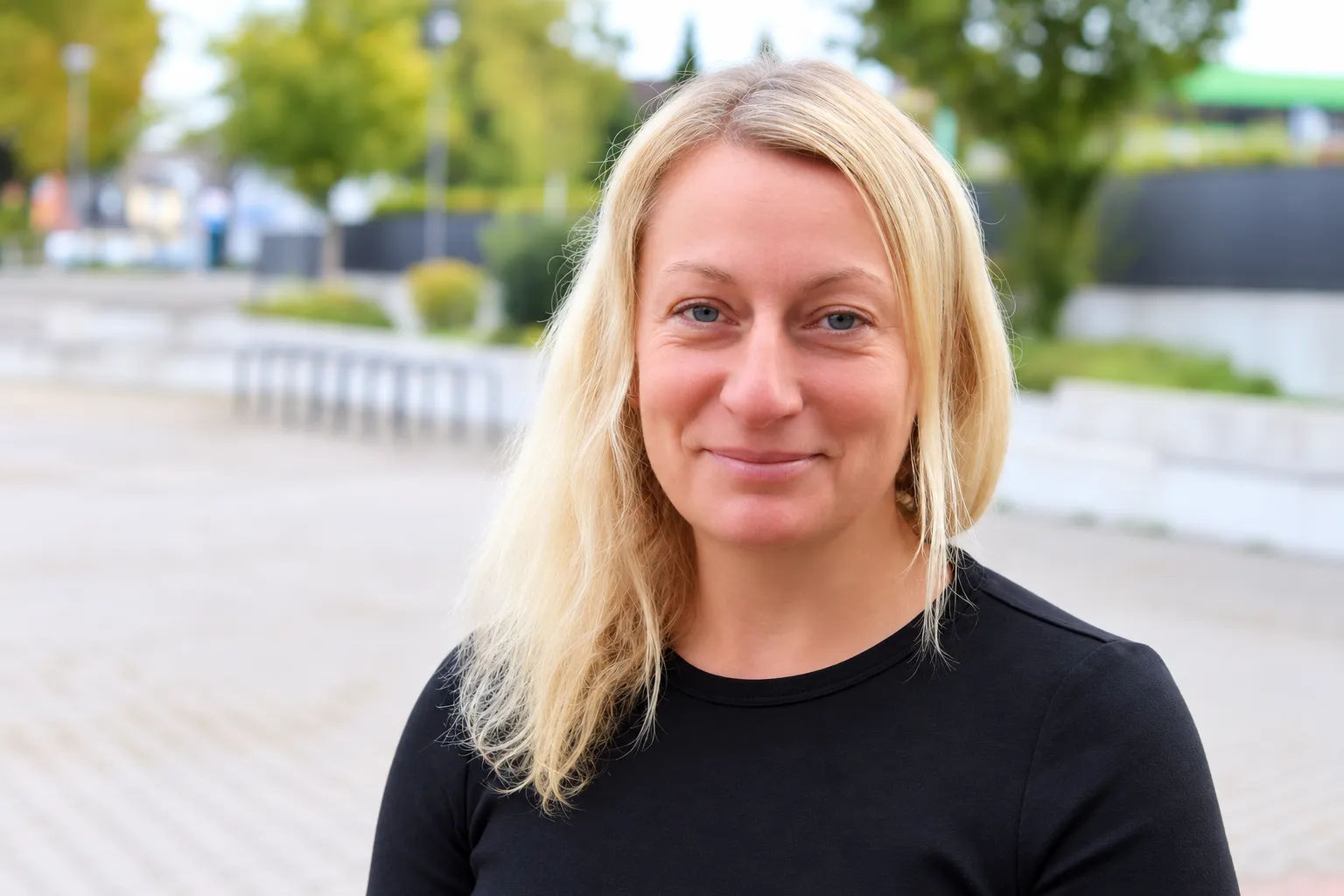
Natascha Börgers
Managing partner · Head of department
Residential care · Residential groups
Key term: Residential care (Heimerziehung, § 34 SGB VIII): a form of youth welfare support in which children and young people live day and night in a residential group. It is arranged through the youth welfare office (Jugendamt); the goals and duration are set out in the care plan (Hilfeplan).. Our residential groups are a new place to live where every child can develop in their own way: with community when they need it, and a place to retreat when they need that.
What we actually do
Natascha Börgers
Managing partner · Head of department
Residential care · Residential groups
Our residential groups
Every child and young person has their own room. Ask us about available places – we’ll be happy to tell you which group fits.
„Here we work individually, with appreciation and acceptance of one another.“
On the edge of Rastede, two kilometres from the station – ten minutes by train to Oldenburg. Two living rooms, a large dining area, a workshop and a big garden with a football pitch, trampoline and pool. Every child has two key workers: a qualified social education worker and a student or trainee.
„Islanders, find a second home in our safe harbour!“
A modernised house on three floors, with single rooms, a bathroom on every floor and a garden. The team includes an in-house psychotherapist with training in trauma therapy, among other things. On top of that, there is team and case supervision, an annual group trip and outdoor education from the high ropes course to the escape room.
„A safe anchor on the way to a self-determined life“
Our third residential group is in Wahnbek, between Rastede and Oldenburg. It is for boys aged 12 and over. We offer a reliable home with individual key worker support, systemic work and targeted support for social skills, school progress and independence.
Questions about this service
Through the youth welfare office (Jugendamt). In the care planning meeting (Hilfeplangespräch), parents, child, youth welfare office and we agree together on the goals of the support and how long it is likely to last. Youth welfare offices can send placement requests directly to the head of department.
Yes. Working with parents and families is a firm part of what we do. Care planning meetings usually take place every six months, and where it is right, we also work towards a return to the family.
The support can continue as support for young adults (Hilfe für junge Volljährige, § 41 SGB VIII). Many later move on to our supported independent living and so stay in touch with the key workers they know.